
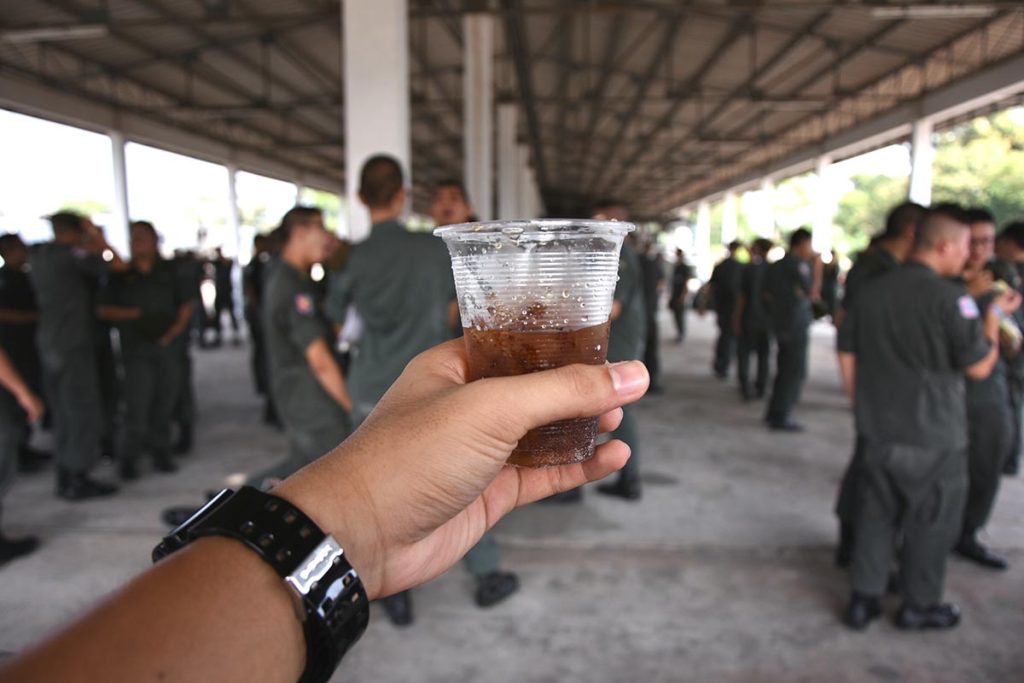

Alcohol has long been part of military life—celebrated during downtime, used as a coping tool, and often seen as a rite of passage. But beneath the surface of this normalized culture lies a serious issue: excessive alcohol use among service members and veterans. What begins as bonding or stress relief during active duty often continues into civilian life, turning into dependency, health problems, and emotional instability.
Alcohol use in the military is rarely about the drink itself. It reflects deeper challenges—trauma, loss, survival, and the intense pressure to maintain control even while dealing with overwhelming stress. Veterans returning home may struggle with isolation, anxiety, depression, or post-traumatic stress, using alcohol to keep those feelings buried.
At Sober First Recovery, we’ve spent over two decades working with veterans to break the cycle of alcohol abuse. As a licensed and Joint Commission-accredited treatment provider near Newport Beach, we understand the deep connection between military service and alcohol use. Our veteran alcohol rehab programs accept TRICARE insurance and offer compassionate, professional support to help veterans regain their health, relationships, and peace of mind.
Military Service and Alcohol Use
Alcohol Culture in Military Environments
From basic training through deployment and beyond, alcohol often plays a visible role in military life. It may be used to mark promotions, celebrate victories, or unwind after stressful operations. Alcohol becomes not just accepted, but expected.
For many service members, drinking is seen as a way to belong. Refusing a drink might be misinterpreted as weakness or withdrawal from group bonding. Over time, this culture can blur the line between casual use and dependence.
The issue isn’t just about frequency. It’s about purpose. Alcohol used to relax is different from alcohol used to escape. The latter becomes common among those coping with trauma.
Military Stress and Drinking Behavior
Service members face unique stressors that civilians rarely experience. These include combat exposure, extended separation from family, and the weight of life-or-death decisions. Alcohol can temporarily mute these pressures, but long-term use amplifies the damage.
Military service and alcohol use are closely connected because alcohol often appears as the only immediate relief. This coping mechanism, while understandable, can create lasting consequences.
When alcohol use continues after active duty, it frequently masks deeper mental health issues that require treatment, not judgment.
Alcohol Abuse Among Veterans
From Use to Dependence
Veterans don’t always recognize the moment when drinking becomes problematic. For some, it’s a slow progression—from a few drinks on the weekends to daily use or binge episodes. For others, alcohol becomes necessary just to feel calm or functional.
Signs of alcohol abuse among veterans may include:
- Needing alcohol to relax or sleep
- Drinking in secret or alone
- Neglecting responsibilities due to hangovers or blackouts
- Feeling unable to stop even when wanting to
- Strained relationships caused by drinking behavior
Over time, alcohol may stop feeling optional. Instead, it feels like a requirement. This is the turning point when rehab and mental health support become vital.
Alcohol and Mental Health
Veterans struggling with PTSD, depression, or anxiety are more likely to misuse alcohol. In many cases, alcohol is used to quiet intrusive thoughts, suppress memories, or reduce emotional pain. This dual struggle of addiction and mental health is called a co-occurring disorder.
Without addressing both conditions, recovery is difficult to maintain. That’s why addiction rehab for veterans must include trauma-informed mental health care.
At Sober First Recovery, we specialize in treating co-occurring disorders through therapy, medication management, and personalized treatment planning.
Long-Term Impact of Alcohol Use in Veterans
Physical and Emotional Effects
Alcohol abuse takes a toll on nearly every part of the body. Veterans may face liver damage, heart problems, high blood pressure, and an increased risk of cancer. Sleep disturbances, memory issues, and emotional instability are also common.
Emotionally, alcohol reduces resilience. Veterans may experience mood swings, irritability, guilt, or feelings of isolation. Relationships often suffer. Spouses, children, and friends may feel distanced, worried, or helpless.
These outcomes are not just statistics. They represent the real-life effects of untreated addiction.
Barriers to Seeking Help
Veterans may hesitate to seek help for alcohol use due to stigma, fear of judgment, or concerns about losing benefits. In military culture, asking for support can sometimes be misinterpreted as weakness.
Many veterans also believe they can manage the issue themselves. Unfortunately, this belief delays recovery and increases risk.
Veteran rehab programs aim to break these barriers by offering safe, respectful, and confidential care. At Sober First Recovery, veterans are treated as individuals, not as problems.
Veteran Alcohol Rehab Centers Near Newport Beach
What Makes Veteran Rehab Different?
Veteran rehab facilities understand the unique challenges faced by those who served. These programs are designed to address not just addiction, but the deeper emotional wounds that often fuel it.
Veteran alcohol rehab centers focus on:
- Trauma-informed care
- Peer support with other veterans
- Military-aware therapists
- Dual diagnosis treatment
- Family involvement
This environment encourages honesty, trust, and progress. Veterans feel understood, not judged.
Sober First Recovery provides this kind of supportive, military-focused environment. With over twenty years of experience, we have helped countless veterans build new lives beyond alcohol.
Veteran Rehab Program Near Newport Beach
Our location in Newport Beach offers a peaceful, comfortable setting ideal for healing. Veterans can step away from stress, triggers, and chaos, and focus entirely on recovery.
Services at our facility include:
- Detox and medical stabilization
- Individual and group therapy
- Mental health evaluation and support
- Relapse prevention planning
- Aftercare coordination
- TRICARE insurance acceptance
Our veteran rehab programs are personalized to reflect each individual’s history, needs, and goals. There’s no one-size-fits-all approach here.
Addiction Rehab for Veterans with Co-Occurring Disorders
Treating Both Addiction and Mental Health
Addiction and mental health issues rarely exist in isolation. Most veterans in need of rehab are also dealing with anxiety, depression, PTSD, or unresolved trauma.
That’s why effective veteran drug & alcohol rehab must integrate behavioral health care. This means:
- Diagnosing and treating underlying mental health conditions
- Providing therapy to process trauma
- Offering medication when appropriate
- Building emotional coping skills
Sober First Recovery is known for delivering this level of care. Our team includes licensed clinicians, trauma specialists, and addiction counselors—all experienced in veteran rehab.
Life After Alcohol: What Recovery Looks Like
Rebuilding After Rehab
Recovery is not just about stopping alcohol use. It’s about building a life that makes drinking unnecessary. This includes restoring relationships, setting personal goals, improving health, and finding purpose.
Veterans in recovery often say they rediscover who they are outside of uniform—and outside of alcohol.
Sober First Recovery helps veterans transition back to independent living by providing continued support, aftercare planning, and access to community resources.
Creating a Support System
Isolation is one of the most significant risks for relapse. That’s why we encourage veterans to stay connected through:
- Peer support groups
- Family therapy
- Ongoing outpatient care
- Veterans’ networks and community programs
You don’t have to face recovery alone. At Sober First Recovery, connection is part of the healing process.
Why Veterans Choose Sober First Recovery
Licensed, Accredited, and Trusted
Sober First Recovery is licensed by the State of California and accredited by the Joint Commission. These credentials reflect our dedication to safety, effectiveness, and ethical care.
More importantly, we’ve been a trusted resource for veterans for over twenty years. We understand the connection between military service and alcohol use and know how to help veterans move forward.
TRICARE Insurance Accepted
Cost should never be a barrier to care. That’s why we accept TRICARE insurance and help families understand their benefits.
Our team handles the paperwork, answers questions, and removes obstacles so veterans can focus on recovery.
Call Sober Recovery First Today
Alcohol use in the military is more than a tradition. For many veterans, it becomes a trap—one that masks trauma, deepens depression, and damages every part of life.
But help is available. At Sober First Recovery, we offer personalized treatment for veterans ready to reclaim their health, relationships, and peace of mind.
If you or a loved one is struggling with alcohol use after military service, contact us today. Our veteran alcohol rehab programs near Newport Beach provide real support, proven treatment, and a path forward.
FAQs
How common is alcohol abuse among veterans?
Alcohol abuse among veterans is common due to the stress of service, trauma exposure, and military culture. Many veterans turn to alcohol to manage anxiety or PTSD.
What is the connection between military service and alcohol use?
Military service often normalizes drinking through tradition and stress relief. Unfortunately, this can lead to long-term alcohol dependency and health issues.
What is a veteran rehab program?
A veteran rehab program is a treatment plan designed specifically for former service members. It includes trauma-informed therapy, addiction care, and peer support.
Are there veteran alcohol rehab centers near Newport Beach?
Yes. Sober First Recovery offers licensed, accredited veteran alcohol rehab near Newport Beach with TRICARE insurance acceptance and trauma-informed care.
What services are offered at a veteran drug & alcohol rehab?
Services may include detox, therapy, mental health support, medication management, relapse prevention, and aftercare—all in a veteran-friendly environment.